Letterpress inks, oil-based
Most of the oil-based ink colors listed here are Pantone Basic Colors. If you have these 14 colors, you’ll be able to mix any of the 1600+ colors in the Pantone Formula guide. The other colors we carry are important for different reasons: opaque white (if you want to print white); printing black (if you want to print black); a few popular metallics (if you want a very muted bit of shine); and custom ink mixes (especially good if you don’t have all the Pantone Basic Colors, or for very light colors and pastels). The inks below are oil-based inks, a glossier ink ideal for printing with coated papers (note you won’t be able to leave oil-based ink on the press overnight). Use rubber-based inks if you want a more general letterpress printing ink.
-

Rhodamine Red
$90.00 Add to cart -
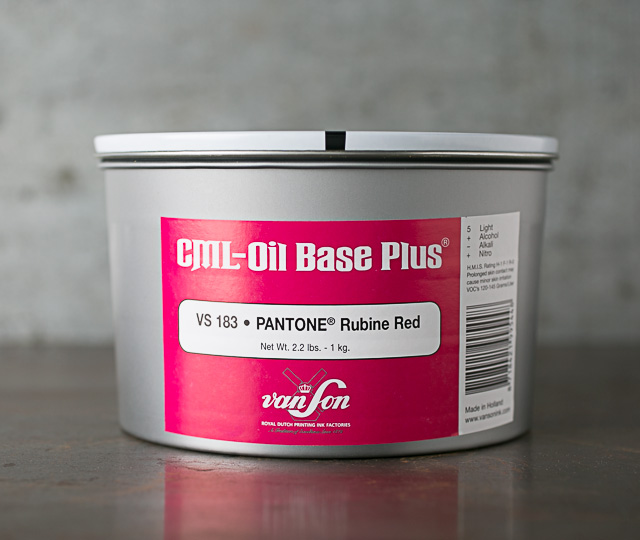
Rubine Red
$84.50 Add to cart -

Pantone Warm Red
$84.75 Add to cart -
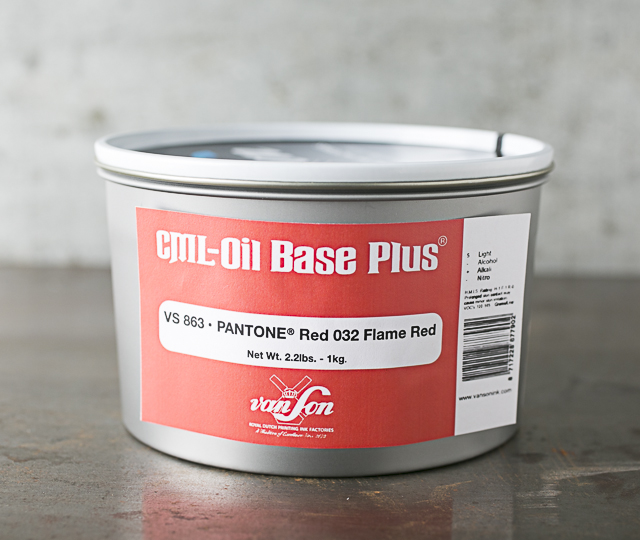
Pantone Flame Red (032) Oil-Based
$84.75 Add to cart -

Orange 021
$85.40 Add to cart -
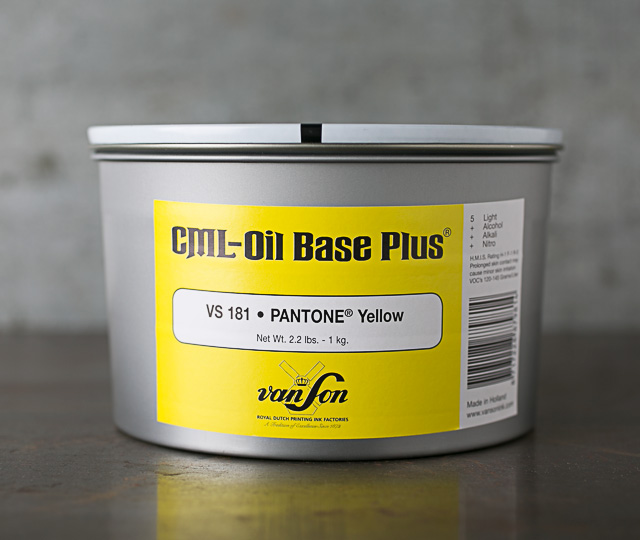
Pantone Yellow
$77.00 Add to cart -

Pantone Green
$90.00 Add to cart -

Pantone Blue 072
$94.25 Add to cart -
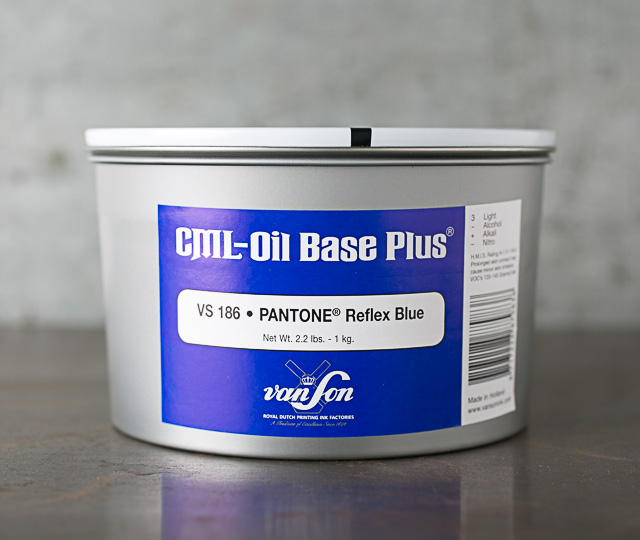
Pantone Reflex Blue
$85.25 Add to cart -

Process Blue
$84.50 Add to cart -

Pantone Violet
$90.00 Add to cart -

Purple
$90.00 Add to cart -

Oil Based Opaque White
$100.35 Add to cart -

Transparent White (Mixing White)
$58.00 Read more -

Pantone Black (Mixing Black)
$55.50 Add to cart -

Custom Oil Base Ink Mix
$68.00 Read more -

Pantone Gold 871
$105.00 Add to cart -

Pantone Gold 874
$105.00 Add to cart -
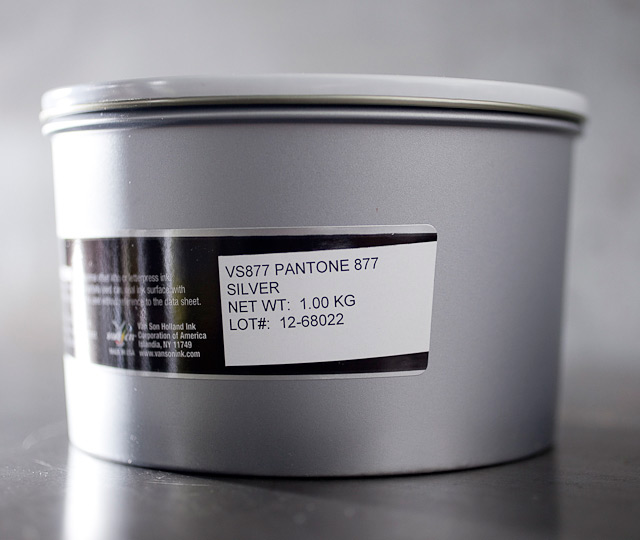
Pantone Silver 877
$70.00 Add to cart -
Pantone Oil Base Universal Printing Black 1.1 lb
$28.50 Add to cart
oil-based letterpress ink
Ordering a custom ink color: Add a custom ink color to your cart. Your shopping cart page will appear. If you want more than one custom ink, then select your quantities and update the cart. When you are ready to checkout, select proceed to checkout. In the ORDER NOTES, provide the PMS color(s) for your ink. It is best if you are looking at a Pantone Uncoated Formula Guide for the most accurate color chip. We need a three or four digit number for each ink color.
break down of components (varies depending on color)
- 20-30% vegetable oil (includes soy and linseed)
- 15-30% petroleum
- 30-50% synthetic resin
- 15-25% pigment
- 1-2% dryer
pros: glossier ink (if that’s what you’re looking for); sets quickly so works well especially with coated papers; basic colors can be mixed with metallics for more ink options; ink additives such as high gloss or varnishes are better suited for oil based inks; colors are brighter than rubber-based; metallic inks are oil-based (but lose their shine on uncoated papers).
cons: should not leave ink on press for an hour or overnight or you will have a royal battle to clean off your rollers; skins in the can (use Van Son anti-skinning spray or wax paper to avoid skinning) so you may waste ink.
keep in mind: don’t mix rubber-base inks together with oil based letterpress inks.
Note: Inks cannot be shipped to Russia.